

© 2026 by Satori Exchange
What Is Reiki?
Tags:
Reiki
OVERVIEW
KEY CONCEPTS
IMPORTANT DISTINCTIONS
PRACTICAL CONSIDERATIONS
COMMON MISUNDERSTANDINGS
WHEN TO SEEK MEDICAL SUPPORT
NEXT STEPS
Reiki is a practice that uses gentle energy work to support relaxation, awareness, and overall balance. It originated in Japan and is commonly offered in wellness studios, holistic clinics, and private practices. Many people explore Reiki as a way to slow down, reconnect with their body, and support their personal well-being.
While often described as an energy healing practice, Reiki sessions are typically quiet, simple, and focused on creating a calm environment for the nervous system and mind.
WHAT IT IS
Reiki is a Japanese practice that was developed in the early 20th century by Mikao Usui. The word Reiki is commonly translated as “universal life energy,” referring to the idea that energy flows through and around all living things.
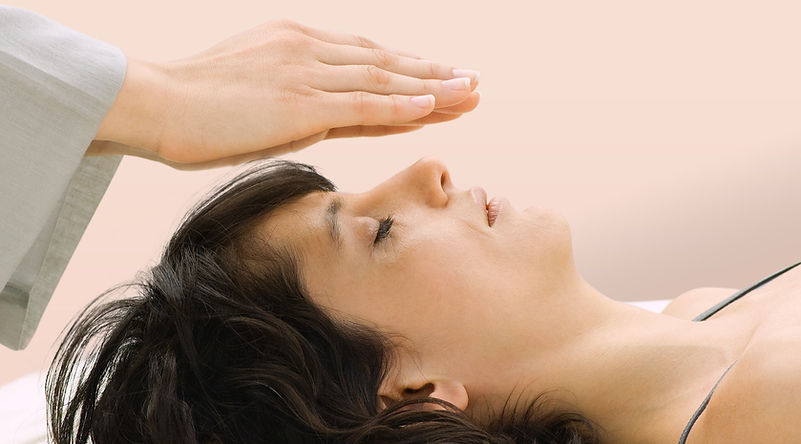
Practitioners are trained to place their hands lightly on or just above the body while maintaining a calm, focused presence. The intention is not to manipulate the body physically, but to support relaxation and energetic balance.
In many traditions of Reiki, practitioners are taught a series of techniques and principles that emphasize mindfulness, compassion, and personal responsibility. These principles often encourage practices such as gratitude, emotional awareness, and living with integrity.
Because Reiki is rooted in a simple, non-invasive approach, it has become one of the most widely recognized forms of energy work in the holistic wellness space.
WHAT A SESSION IS LIKE
A Reiki session usually takes place in a quiet setting such as a wellness studio, private practice office, or holistic center. Some practitioners also offer sessions remotely.
Most sessions last between 45 and 75 minutes. The client typically lies fully clothed on a massage table while the practitioner places their hands gently on or slightly above different areas of the body.
The experience is usually calm and still. Soft music may play in the background, though some sessions are completely silent. The practitioner moves through a series of hand positions intended to support relaxation and energetic awareness.
People often report feeling deeply relaxed during a session. Some notice warmth, subtle sensations, or emotional release, while others simply experience a quiet moment of rest.
Experiences can vary widely from person to person, and there is no single “correct” way a Reiki session should feel.
WHO IT MAY BE HELPFUL FOR
People explore Reiki for many different reasons. Some are simply looking for a quiet space to relax and step away from daily stress.
Others are curious about energy-based practices and want to explore new approaches to personal awareness or spiritual reflection.
Reiki sessions are often incorporated into broader wellness routines that may include meditation, yoga, breathwork, or other holistic practices. Some people also seek Reiki during times of transition or emotional overwhelm as a way to slow down and reconnect with themselves.
Because the practice is gentle and non-invasive, many individuals find it approachable even if they are completely new to holistic wellness practices.
COMMON MISCONCEPTIONS
“REIKI REQUIRES BELIEF FOR IT TO WORK.”
Many practitioners explain that Reiki sessions focus primarily on relaxation and presence. Some people approach it from a spiritual perspective, while others simply experience it as a calming wellness practice.
“REIKI REPLACES MEDICAL TREATMENT.”
Reiki is not a substitute for licensed medical care. It is generally considered a complementary practice that may support relaxation and self-awareness alongside conventional care.
“ALL ENERGY HEALING PRACTICES ARE THE SAME.”
Reiki is one of many forms of energy work. Different traditions such as Pranic Healing, Qi Gong healing practices, or therapeutic touch have distinct philosophies and techniques.
Understanding these differences can help people explore the broader landscape of holistic practices more thoughtfully.
NEXT STEPS
If Reiki sparks your curiosity, you may wish to explore other related approaches within the holistic and metaphysical space.
You can continue learning by exploring related modalities in the Knowledge Hub, browsing practitioners who offer Reiki sessions, or viewing upcoming wellness events that feature energy-based practices.
Taking time to learn about different approaches can help you find the practices and practitioners that best support your personal path.
BACKGROUND
PHILOSOPHY
WHAT CLIENTS CAN EXPECT
ADVICE FOR SEEKERS
RAPID INSIGHT
What is one word that captures the essence of your work?
What do clients often discover about themselves during your sessions?
Is there a book, teacher, or experience that significantly influenced your path?
What is something people might not know about you?
Explore Next
Explore Reiki Practitioners
Browse facilitators offering Reiki sessions. Filter by location, virtual vs in-person, and session style.
Holistic Events and Workshops
Explore upcoming Holistic events, including group sessions, workshops, and retreats.
Related Articles
Different Types of Reiki: A Guide to Common Reiki Styles
Reiki includes several traditions such as Usui, Karuna, and Jikiden Reiki. This guide explains the different types of Reiki and how these styles vary in lineage, training, and philosophy.
